What Is LED Local Dimming?

What is local dimming on LED LCD displays and is it a good feature? What types of dimming exist and which is best? Let’s find out.
Want to learn? Maybe you just need a quick answer to something? Then check out our knowledge base articles for everything related to monitors, TVs, and other technology.
What is local dimming on LED LCD displays and is it a good feature? What types of dimming exist and which is best? Let’s find out.

W-OLED, QD-OLED and mini LED technologies all offer exceptional HDR image quality. Learn how to choose the best one for you!

Should you stick with the good old IPS panel or get one of those fancy new OLED panels? We’ll guide you through them both and help you discover which one is the right one for you.

What does pixel density and pixels per inch (PPI) mean? Here’s everything you need to know so you can make the best possible buying decision.
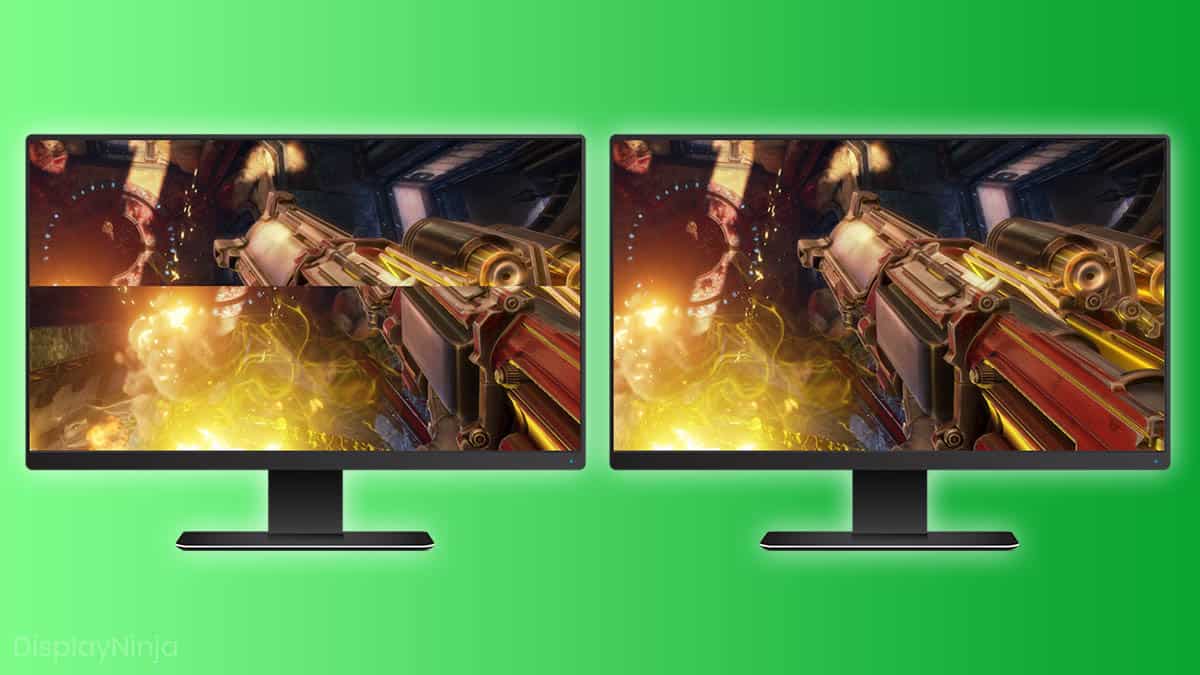
V-Sync eliminates screen tearing, but it also introduces input lag and limits your FPS to the monitor’s max refresh rate.

HDMI 2.1 can support native 10K screen resolution, 4K 120Hz, 8K 60Hz, variable refresh rate, dynamic HDR and more! Here’s a guide.

What’s the difference between WLED and LED? The short answer is that there is no difference. Let’s find out why.
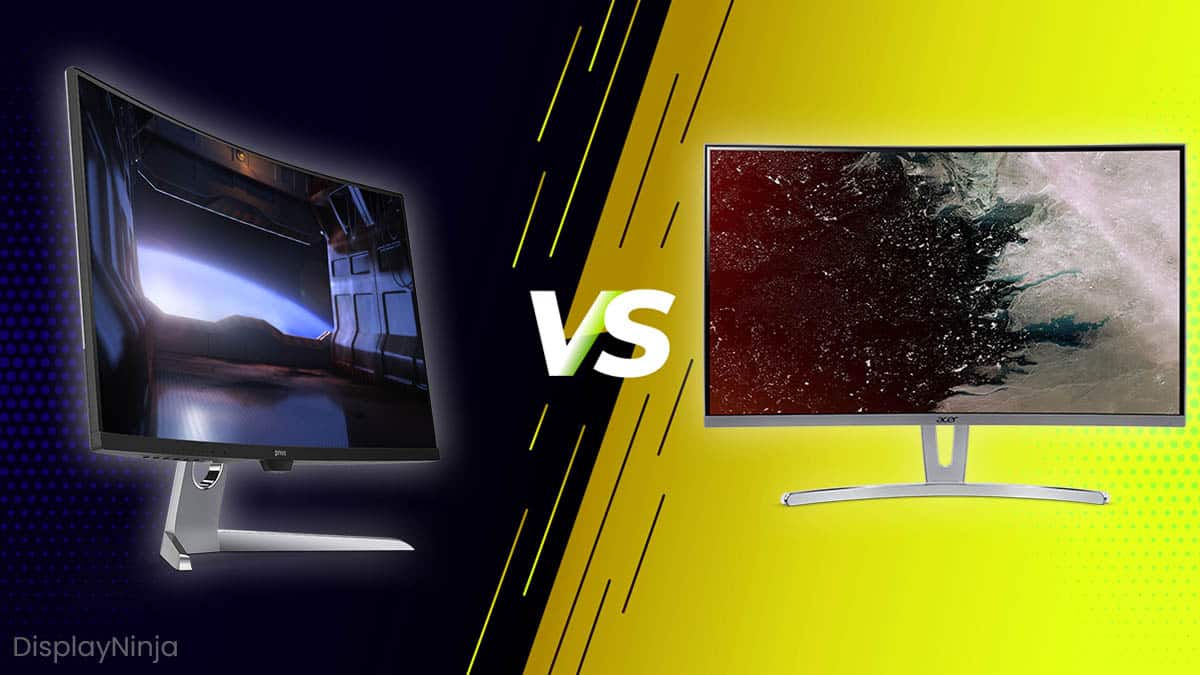
If you’re interested in an ultrawide display, we recommend getting a curved model. For widescreen monitors, it’s a matter of preference.

Response time overdrive allows you to push the monitor’s response time speed in order to reduce the trailing/ghosting of fast-moving objects.

IPS glow is characterized as glowing around the corners of an IPS panel monitor. Read our guide to learn how you can reduce it.

The higher the refresh rate, the better. However, to take full advantage of a high refresh rate, you’ll also need to output equally high frame rates. Here’s a handy guide to help you choose.

Which panel type is the best — an IPS panel or a PLS panel? Both offer the same advantages and disadvantages, so what’s the difference? Let’s find out.

The aspect ratio is the ratio between the width and height of the screen. Find out what 16:9, 21:9 and 4:3 mean and which one you should pick.
If you play a lot of video games and your device (console, PC) supports high refresh rates, a 120Hz TV is definitely worth it.

Screen tearing can really take away from the gaming immersion. Luckily, there are a few ways to make it go away for good.
Backlight bleed is characterized as light leaking around the edges or corners of an LCD. It is fixable in some cases. Here’s a short guide on the topic.

Not sure if you should get a monitor with 4K UHD or WQHD resolution? Here’s everything you need to keep in mind before deciding!
2560×1440 has 78% more pixels than 1920×1080, but is it always better? This guide will help you pick the right display so you don’t waste any money.

Do you like gaming? If you do, the size of a monitor plays an important role in improving your gaming experience. Here is the best monitor size for gaming.

What is the difference between IPS, TN and VA panels, and which one is most suited for YOU? Let’s find out.